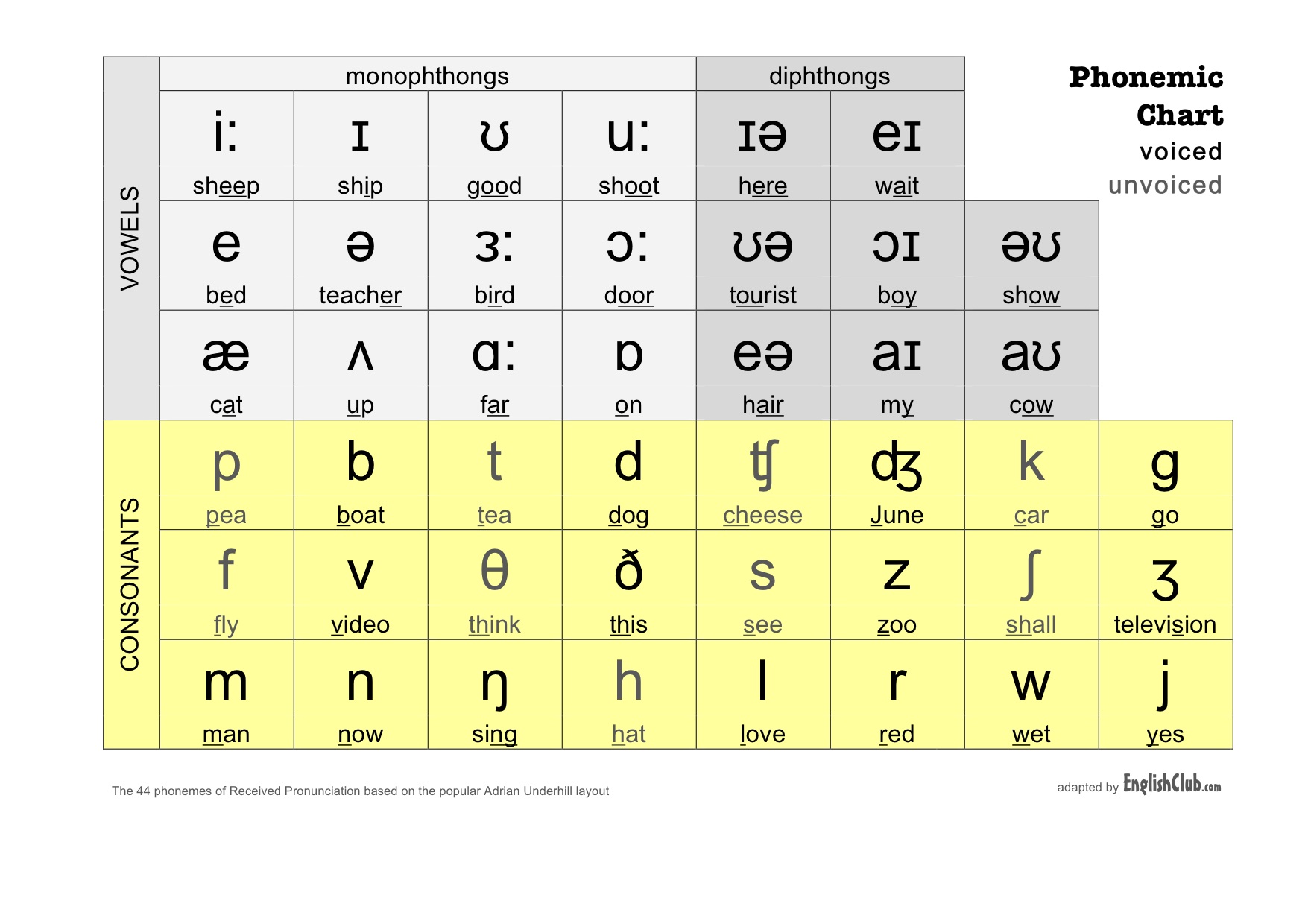
Pronunciation
___________________________________________________________________________________________________________________
My "Microteaching" of pronunciation
Lesson plan - Pronunciation.pdf
Materials used for microteaching:
Pictures with pronunciation.pdf
www.youtube.com/watch?v=zum1pjClk8A
Source of "Twister tongue": https://busyteacher.org/
My reflection on "Microteaching"
There were three groups I had to teach and I realized that I was a bit nervous when teaching the first one but then when I had to teach the second one and the third one I was more self-confident and I was enjoying the teaching. In my opinion, I was well prepared and it was really helpful that I divided my teaching into some stages and taught the students step by step. I was glad that students enjoyed my teaching because I had wanted to make the activity being funny in order to teach the pronunciation effectively. The feedback from my classmates and from my teacher was really positive so I could be proud of myself and I was :-). There was only one negative feedback that I used a video during the activity but I must say that I wouldn't have changed it, because as far as I know my students, I am pretty sure that they like activities with videos very much. They also like the activity when there is a native speaker because then they are probably more motivated.
I am really satisfied with my activity but as I am not a very experienced teacher I must say that it took me a lot of time to create it.
___________________________________________________________________________________________________________________
Pronunciation practice in coursebook I use for teaching
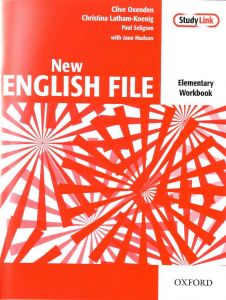
In my classroom I use "New English File Elementary" where are many pronunciation exercises with recordings.
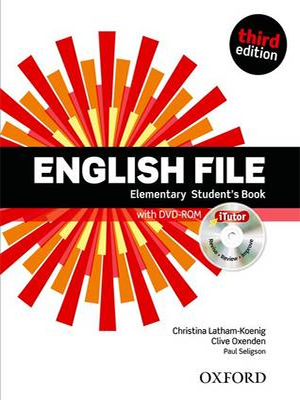
There is an example of pronunciation exercises from the Student's Book:
Source:
Koenig, Christina Latham, Clive Oxenden, and Paul Seligson. New English File elementary. Oxford: Oxford U Press, 2012. Print.
___________________________________________________________________________________________________________________
Most common pronunciation mistakes that my students make and how I treat them
I remember well most common pronunciation mistakes that my students make because sometimes it sounds really funny. My students are adults from 25 to 50 and we have a very good relationship so sometimes I use treatments I wouldn't use with children. There is one detailed example of the mistake and how I treat it:
1.)
Student: "It is more /more/ interesting ...."
Teacher: "Are you a gipsy or what?"
Student: smiling and surprised
Teacher: "Because only gipsies say /more/, in English we pronounce this word /mo:/"
Student: smiling from ear to ear
Teacher: "Well, try to say the sentence again but now without that gipsy accent."
Student: "It is more /mo:/ interesting"
Teacher: "Excellent. And now we are going to say the sentence together. It is more /mo:/ interesting."
All students: quietly - "It is more /mo:/ interesting."
Teacher: "No, no, no. The best way to learn vocabulary or its pronunciation is to add some emotions to it. Add znamená přidat, takže add some emotions to it znamená ?? (5 seconds silence and then one good answer from a student) dobře Pavle, přidat k tomu nějaké emoce." The teacher writes the word and its transcription on the board and starts singing the sentence emotionally. "It is more, more, more interesting. Just more more more. And now repeat after me!" Teacher again sings the "song" and students repeat after him. "It is more more more interesting. Just more more more." Everybody is laughing but the teacher is sure that they will remember the pronunciation of the word for a long time :-).
It may seem that it is a long time activity but in fact it takes only about 2 minutes.
(It's important to say that the students should have known the pronunciation of the word)
Some more examples of common mistakes:
but /but/, was /vas/, July /džuli/, officer /oficir/, says /sejs/, Czech Republic /čech repablik/, thirty /srti/, minutes /minutes/, etc.
___________________________________________________________________________________________________________________
Books and other sources I use for learning and teaching pronunciation
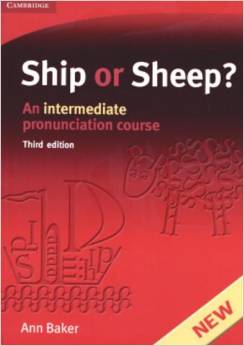
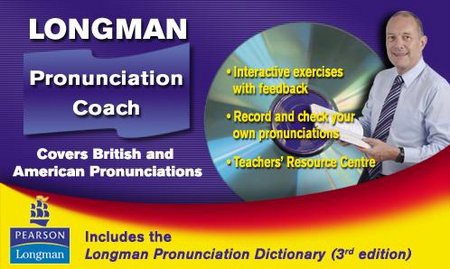
There are three very useful internet sources I use and recomend to my students:
https://www.bbc.co.uk/learningenglish/english/features/pronunciation
https://www.bbc.co.uk/worldservice/learningenglish/grammar/pron/features/connected.shtml
www.teachingenglish.org.uk/teaching-teens/articles/pronunciation